Confirm your age
You must be at least 18 years old to browse this site.


In stock - Ready to be shipped
€90,00
Unit price perSufficient
Woody
Complex
Floral
Fees
Fruity
Gobble
Light
Sweet (wine)
Mineral
Oxidative
Beading
Powerful
Round
Salinity
Dry
Tannic
Strained

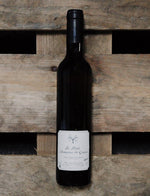
A liqueur muscat in the tradition of Saint-Jean-de-Minervois, the region where the estate is located. This petit grain muscat is a fortified wine, meaning a must whose fermentation has been interrupted by the addition of alcohol. This produces a delicious beverage, both sweet and fresh, with incredible aromatic complexity. You can keep it chilled almost indefinitely after opening, tightly corked: ideal for pouring a drink for friends who are visiting. Also interesting for catering, served by the glass, due to its stability once the bottle is uncorked. Almost unlimited pairings. Serve chilled.
Le Petit Domaine de Gimios is located near Saint-Jean-de-Minervois, an ancient terroir and source of sweet muscats from the Languedoc. In fact, the estate is dedicated to the region's typical small-grain muscat (in addition to a few other varieties), and Anne-Marie Lavaysse is firmly rooted in tradition by producing fine wines from this precious grape variety. In 1993, she and her son Pierre took over several old, abandoned vineyards, which she now uses to create the estate. Small, certainly, but multicultural and almost self-sufficient: the muscat from old vines shares the space with vegetable and food crops, fruit trees, and some livestock farming. None of this receives any chemical inputs, sulfur, or mechanical force, and the estate, certified by Écocert, is cultivated biodynamically. On these five hectares, viticulture and mixed farming are one. The harvest is carried out by hand in the early morning, destemmed and foot-trodden, before macerating for approximately ten days using native yeasts. No sulfites are added during bottling. The wines are universally described as "delicious," "pure and fresh," "clear and easy to drink." The house produces dry, sweet, liqueur-like, and fortified muscats, as well as very fruity reds made from traditional local grape varieties. Everywhere, the impression of biting into fresh grapes is felt.