Confirm your age
You must be at least 18 years old to browse this site.


Out of stock
€32,90
Unit price perSufficient
Woody
Complex
Floral
Expenses
Fruity
Gobble
Light
Sweet (wine)
Mineral
Oxidative
Beading
Powerful
Round
Salinity
Dry
Tannic
Strained

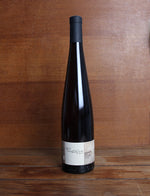
Aromatic and floral, full of citrus peel and tropical fruits, Finisterra is a sort of quintessential Alsace wine, a rare and refined vintage of captivating complexity. Lychee, passion fruit, white flowers, ginger, and yellow rose, on an aromatic background of beeswax. This wine has balsamic accents of waxed old wood and yellow fruits (peach), spices, on a delicate mineral framework of tannins reminiscent of Chinese oolong tea. The secret? Jean-Marc Dreyer blended five grape varieties—Riesling, Muscat, Pinot Gris, Auxerrois, and Gewurztraminer—to create this skin-macerated cuvée with structure, oxidative notes, and a deep amber color. It will pair very well with roast poultry, game, and anything related to duck or goose: duck breasts, duck with blood, roast duckling, confit, and foie gras. We also imagine it with well-simmered wild mushrooms. A wine to enjoy after an autumn walk. Biodynamic method, fermentation using indigenous yeasts, unfiltered, unclarified, with no sulfites added in the vineyard or cellar.
Find out more
"Maceration is a tradition in Alsace!" says Jean-Marc Dreyer, adding that direct pressing in this region is a modern invention, linked to the advent of electricity. In the past, people worked by hand and let the grapes macerate before sending the marc to the press. » Whole-bunch maceration is Jean-Marc Dreyer's signature and represents 85% of the estate's production, the remainder consisting of direct-pressed whites, often aged using controlled oxidation. Jean-Marc succeeds several generations of his family at the Dreyer & Fils estate, established in 1830 between Obernai and Molsheim. Upon taking over the estate, he immediately opted for biodynamics, but he hesitated for a while between several methods: at first, his wines were more oaky, aged in new barrels with stirring. Then came the sweet period: all his wines contained residual sugar. In 2008, he tried vinifying without any sulfur and found his direction: the following winter, upon returning from the pilgrimage to Compostela, he swore never to add sulfur to any wine again. Having made this decision, he asserts his style around skin maceration, quite advanced, chiseled, always surprising on Alsatian grape varieties, of which it brings out the structure without sacrificing the delicacy. Jean-Marc works in single-varietal or blended vintages and also produces Pinot Noir reds of surprising depth.